
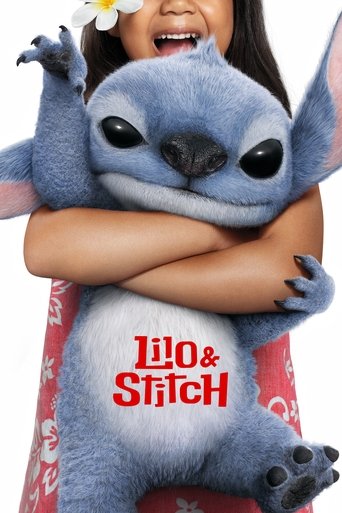
Lilo & Stitch (2025) is a Disney live-action remake that does it right. In some ways, it reminded me of The Jungle Book (2016)—still their best live-action adaptation to date—for how it respects the original, especially in the character designs, makes smart changes to modernize the story, and, above all, centers the emotional relationships. The two core dynamics—Lilo and Stitch, and Lilo and Nani—are heartfelt and carefully built. By the end, I wasn’t thinking about how many characters they cut or how much they changed (not that I’m overly attached to the original anyway), because I felt something. This version earns its own emotional weight.
The story sticks closely to the original setup: Stitch is the result of an illegal genetic experiment created by a mad scientist, Jumba. After being sentenced to exile, Stitch escapes, crash-lands on Earth, and ends up in Hawaii. There, he meets Lilo, a lonely and misunderstood girl coping with the recent loss of her parents. As they form a bond, they’re pursued by alien authorities trying to capture him—while Lilo’s sister, Nani, struggles to keep custody and hold their fragile family together.
Characterization is the film’s greatest strength. Stitch’s design is fantastic—expressive, lively, and real enough to blend in without losing his cartoon charm. Disney wisely leaned into a more Sonic-style CGI approach instead of going overly realistic, and it works beautifully—not just for Stitch, but for the other aliens too. The supporting characters are also a treat. The Grand Councilwoman looks like a mix between Star Wars’ Cad Bane and the dean from Monsters University, and she translates surprisingly well to live action. Jumba and Pleakley keep their quirky charm. Jumba feels a bit too stoic in his human disguise—Zach Galifianakis doesn’t seem to be trying all that hard—but Billy Magnussen is a scene-stealing highlight, hilarious from the moment he shows up walking funny to the end of his surprisingly delightful arc.
But the emotional high point is the casting of Nani and Lilo. Sydney Agudong brings strength and tenderness to Nani, while Maia Kealoha delivers a star-making turn as Lilo. She’s incredibly charismatic, and more importantly, she captures the emotional depth of the character—from her awkwardness to her grief. This version does a commendable job exploring the emotional void left by their parents’ death, grounding the story in a deeper sense of loss. It even changes the ending in a way that might bother purists. Rather than wrapping things up with a tidy feel-good message, it offers a more mature reflection: Nani, as loving and committed as she is, didn’t have all the tools to be what Lilo needed at that moment—and a temporary foster arrangement is shown as something potentially helpful. It’s a bold choice, but one handled with empathy and care.
The emotional climax hits hard—especially during a beautifully executed underwater scene where everything that’s been building finally comes to the surface. The film does adjust some of Jumba’s behavior, mainly due to the removal of Captain Gantu. But if you’re willing to go with it, it actually helps the story feel more focused and streamlined. The biggest drawback is in the music department. Alan Silvestri doesn’t return (a common trend in these remakes), and while some of his original themes are used briefly, the new score—though respectful of Hawaiian influences—feels more anonymous and less memorable.
Disney’s live-action Lilo & Stitch may skip some characters, but it makes up for it with heartfelt storytelling and a refreshingly grounded take on grief, family, and connection. I still hope for the day when Disney gives The Hunchback of Notre Dame or Atlantis the live-action treatment they deserve—both feel like the ones that would most benefit from a mature revisiting. But if the studio keeps delivering at the level of Lilo & Stitch, then I’m more than okay with that.
Still courtesy of Walt Disney Studios Motion Pictures Canada
- 1Sentimental Value
- 2Hamnet
- 3One Battle After Another
- 4Ne Zha 2
- 5Blue Moon
- 44Lilo & Stitch#44 of 256
- Where to watch
 Disney+
- Where to watch
- Disney+
 Play trailer


- Original title
- Lilo & Stitch
- Director
- Dean Fleischer Camp
- Genre
- Family, Science Fiction, Comedy
- Cast
- Maia Kealoha, Sydney Agudong, Chris Sanders, Zach Galifianakis, Billy Magnussen, Courtney B. Vance, Amy Hill, Tia Carrere
- Rated
- PG
- Screenwriter
- Chris Kekaniokalani Bright, Chris Sanders, Dean DeBlois, Mike Van Waes, Heiko von Drengenberg
- Composer
- Dan Romer
- Cinematography
- Nigel Bluck, Andrew Rowlands, Larry Fong
- Editor
- Phillip J. Bartell, Adam Gerstel
- Country
- Language
- English
- Budget
- $100 million
- Box office
- $1.038 billion
- Distributor (CA)
- Walt Disney Studios Motion Pictures Canada