
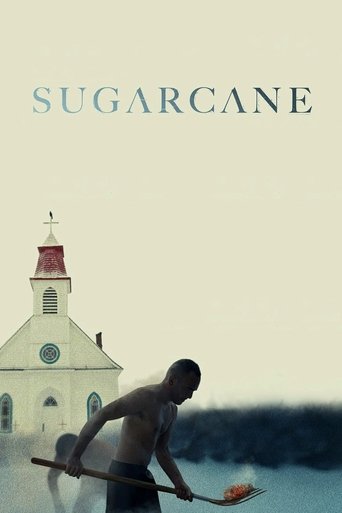
Nominated for an Oscar in 2024, Sugarcane—directed by Julian Brave NoiseCat and Emily Kassie—exposes the brutal legacy of St. Joseph’s Mission School in British Columbia.
Presented as a place of learning for Indigenous children, the Catholic-run school was in fact a tool of cultural erasure. The documentary goes further, revealing sexual violence, infanticide, and the trauma passed down through generations. Some children were born from abuse—only to face more suffering or be discarded altogether.
The film opens quietly, with sweeping landscapes and long silences, easing the viewer in before confronting them with unimaginable horrors. As a Brazilian who has only been living in Canada for a few years, I wasn’t quite sure what to expect. I had heard of Truth and Reconciliation and understood it as a formal acknowledgment of cultural genocide. But Sugarcane goes much further, showing us that the terror Indigenous communities endured was even more horrific and far-reaching than most of us can comprehend.
We follow a haunting investigation: disappearances, DNA tests, names etched into walls, babies lost, clergy protected, and secrets long buried. Descendants and survivors give their testimonies, reliving unthinkable pain. Slowly, a board of connections forms—drawing lines between families, priests, and those who never came home. The few perpetrators still alive refuse to speak, their silence a chilling echo of institutional complicity.
NoiseCat’s presence as both co-director and descendant of survivors brings a raw, personal urgency to the film. One of the most devastating moments involves a man whose mother and grandmother had both been abused by priests—and who, heartbreakingly, experienced the same fate. Watching him share something so deeply personal is utterly wrenching. His story is not only about personal trauma but also about the inherited weight of memory. By then, I found myself clinging to the quiet, peaceful images from the beginning—anything to soften the weight of what I had just witnessed.
Sugarcane forces us to confront the ongoing burden of this past. These are not just historical wounds; they continue to paralyze, limit, and—in far too many cases—lead Indigenous people toward despair and suicide. There is a faint but significant sign of progress when a Church representative admits that their current approach has changed: rather than reassigning priests after abuse allegations, they now recognize it as a grave illness that requires full removal from ministry. It’s far from justice, but it’s a necessary step.
After watching Sugarcane, I will never look at Truth and Reconciliation Day the same way again. May this film help expose what was hidden for far too long, and may it offer a step—however painful—toward justice and healing for a people who have endured the unimaginable. As someone still learning the stories buried beneath Canada’s surface, this film was both eye-opening and devastating. But that devastation is necessary—because only through truth can reconciliation ever be possible.
- 1Dune: Part Two
- 2Conclave
- 3Better Man
- 4The Substance
- 5Challengers
- 10Sugarcane#10 of 110
- Where to watch
 Disney+
- Where to watch
- Disney+
 Play trailer


- Original title
- Sugarcane
- Director
- Emily Kassie, Julian Brave NoiseCat
- Genre
- Documentary
- Cast
- Julian Brave NoiseCat, Willie Sellars, Charlene Belleau, Ed Archie NoiseCat
- Rated
- R
- Screenwriter
- Emily Kassie
- Composer
- Mali Obomsawin
- Cinematography
- Christopher LaMarca, Emily Kassie
- Editor
- Nathan Punwar, Maya Daisy Hawke
- Country

- Language
- English
- Box office
- 60091