
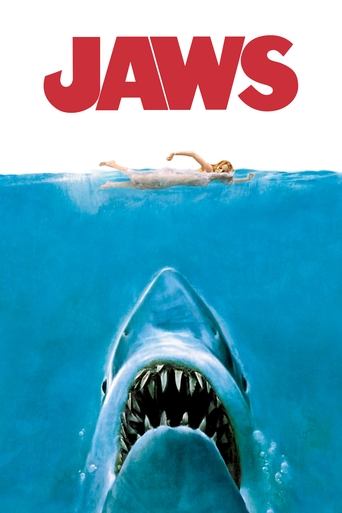
Did you know that only 5-10 fatal shark attacks occur worldwide each year? Surprising, isn’t it? If you thought it was much higher, Jaws might be the reason why. Steven Spielberg’s 1975 film didn’t just captivate audiences, it turned the great white shark into a cultural villain, embedding an outsized fear of these creatures into the collective psyche.
But Jaws’ legacy isn’t limited to terrorizing beachgoers. It revolutionized Hollywood, setting the blueprint for the modern summer blockbusters. Before Spielberg’s breakthrough, films typically had gradual rollouts, building audiences over time. Jaws shattered that model with a massive simultaneous release and an unprecedented advertising campaign. The result? A cultural phenomenon that redefined how movies are marketed and paved the way for decades of high-concept, wide-release blockbusters.
Almost 50 years later, Jaws remains an iconic masterpiece, though not without its imperfections. Its human drama sometimes feels thin, there’s no truly heart-wrenching death or deeper emotional stakes tied to the main characters. While the opening shark attack and later oceanic confrontations are mesmerizing, the earlier, land-based scenes, particularly the mayor’s stubborn refusal to close the beach, can feel somewhat repetitive and drawn out.
That said, everything involving the shark is pure cinematic gold.
Ironically, the mechanical shark, affectionately nicknamed “Bruce,” played a key role in that achievement. The prop’s notorious malfunctions forced Spielberg to show the shark sparingly, turning what could’ve been a setback into a creative advantage. Instead of relying on a fully visible shark, Spielberg built suspense with clever camera work, long builds, and, of course, John Williams’ unforgettable score. The result is a film far scarier than it might have been with a fully functioning prop.
Jaws wouldn’t be the same without John Williams’ iconic two-note theme. Every time it plays, it builds a palpable sense of dread, becoming synonymous with lurking danger. Williams’ decision to use the motif only when the shark is present, or when its effects are felt, adds to its impact. The variations on the theme throughout the film show Williams’ ability to keep it fresh, while the lighter, more adventurous pieces balance the suspense, ensuring the film remains a fun, colorful blockbuster, a bold contrast to the darker horror films of the era.
Steven Spielberg’s direction is equally remarkable. Every scene feels purposeful, with plenty of moments that linger in audiences’ memories: the eerie opening attack, Brody’s startled reaction to the shark while chumming the water, the cage scene, and the nail-biting final showdown. Spielberg’s ability to create such memorable sequences highlights his mastery of suspense and visual storytelling.
The young director also made smart changes from the source material. He ensured that the three main characters, Brody, the water-fearing everyman; Hooper, the comic relief; and Quint, the gruff sailor audiences love to hate, were distinct and likable. This dynamic elevates the film’s second half into a thrilling adventure that balances humor, tension, and camaraderie.
Every element of Jaws works in great harmony. The casting is pitch-perfect, the cinematography ingenious, and the sound design meticulously crafted. Spielberg’s ability to balance tone, keeping the film suspenseful yet entertaining, makes it a near-perfect movie.
Decades later, no film has captured the same blend of terror and adventure at sea. While its imitators and sequels have come and gone, Jaws remains the definitive shark movie. It’s no wonder that whenever the topic of danger at sea arises, one name inevitably comes to mind: Jaws.
- 1One Flew Over the Cuckoo's Nest
- 2Dersu Uzala
- 3Jaws#3 of 51
- 4Nashville
- 5Manila in the Claws of Light
- Where to watch
 Crave
Crave- Where to watch
 Claro VideoTelecine
 Play trailer


- Original title
- Jaws
- Director
- Steven Spielberg
- Cast
- Roy Scheider, Robert Shaw, Richard Dreyfuss, Lorraine Gary, Murray Hamilton, Carl Gottlieb, Jeffrey Kramer, Susan Backlinie
- Rated
- 14A
- Screenwriter
- Carl Gottlieb, Peter Benchley
- Composer
- John Williams
- Cinematography
- Wilmer Butler
- Editor
- Verna Fields
- Country

- Language
- English
- Budget
- $7 million
- Box office
- $470.653 million