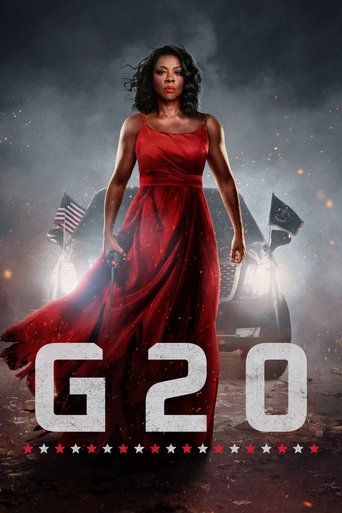
Ah, the Die Hard wannabes. The noble subgenre of “What if Die Hard… but on a [location] or with [this character]” has seen its fair share of success over the years—and it’s crossed paths with the U.S. president more than once. The ’90s gave us the action classic Air Force One (Die Hard on the President’s plane), followed by 2013’s guilty pleasure siblings White House Down and Olympus Has Fallen. Now, the formula returns with great success in Patricia Riggen’s incredibly thrilling and surprisingly rewarding G20.
Boosted by a stellar cast, a smarter-than-expected script, and a barrage of well-executed action sequences, G20 doesn’t reinvent the wheel, but it nails what makes this kind of film work: a vulnerable protagonist, overwhelming odds, a ticking clock, and a villain with a tightly crafted plan. There’s hiding, sneaking, scrambling, and slowly figuring out how to turn the tide before it’s too late. The mold is so effective that if done well, it just works—and here, it absolutely does.
The action choreography is intense, the hide-and-seek sequences keep you tense, and the well-placed jokes help keep the whole thing entertaining. But where G20 really wins you over is in the quieter moments before and between the mayhem. As usual, the film takes a beat to establish its characters before the chaos erupts. Viola Davis brings instant authority to President Sutton, but also strength and vulnerability. Like John McClane, she’s not a superhero. She has flaws she’s working through, especially in her relationship with her daughter and her own imposter syndrome about being president. These character details ground the film and elevate it beyond just a solid action flick—they make it an unconventional character study, too.
And Davis, unsurprisingly, sells every beat of it. She’s just as compelling dodging bullets as she is confronting doubts. By the end, we truly care about this family, with each member getting their own moment to shine. Surrounding her is a solid group of secondary characters who don’t just tag along—they contribute meaningfully to the story and to her development. Whether it’s the loyal bodyguard or the snobby British diplomat, they each add texture and energy to the film.
Also worth highlighting is Antony Starr’s villain. While his plan doesn’t particularly stand out and his monologues occasionally veer into “whatever” territory, he brings the same arrogant menace he’s known for in The Boys—arguably a little too close to that character, and if the Q&A was anything to go by, maybe not far off from his public persona either. Still, it works. You hate him, you want him to lose, and his presence alone makes it believable that he’s thought through this enough to feel like a real threat. The plot ties into timely anxieties about AI and disinformation. (Though let’s be honest—did they really need to go through all that trouble just to get a politician’s voice?) That, along with a few classic villain oversights—like how the President escapes in the first place—asks the audience to suspend some disbelief. But Starr brings enough intensity to make it easy to just roll with it.
Some visual effects aren’t great, but the film’s true weak link is the score. It suffers from that generic, overused modern thriller sound that makes you miss the days of bold, memorable action themes. Remember how Air Force One soared with its sweeping, patriotic melody? It’s a shame the creative team here didn’t lean into that kind of musical identity—it’s the one missing piece that could’ve given G20 a lasting signature.
G20 may not be the most original film you’ll see this year, but it’s a well-acted, high-stakes thrill ride that knows how to escalate tension, put its characters in real danger, and keep you gripped from start to finish. The set pieces are creative (a certain Wakanda joke, delivered mid-chaos, lands particularly well), and the climax delivers exactly what it should—visceral, satisfying, and just the right amount of over-the-top.
More of this, please.