
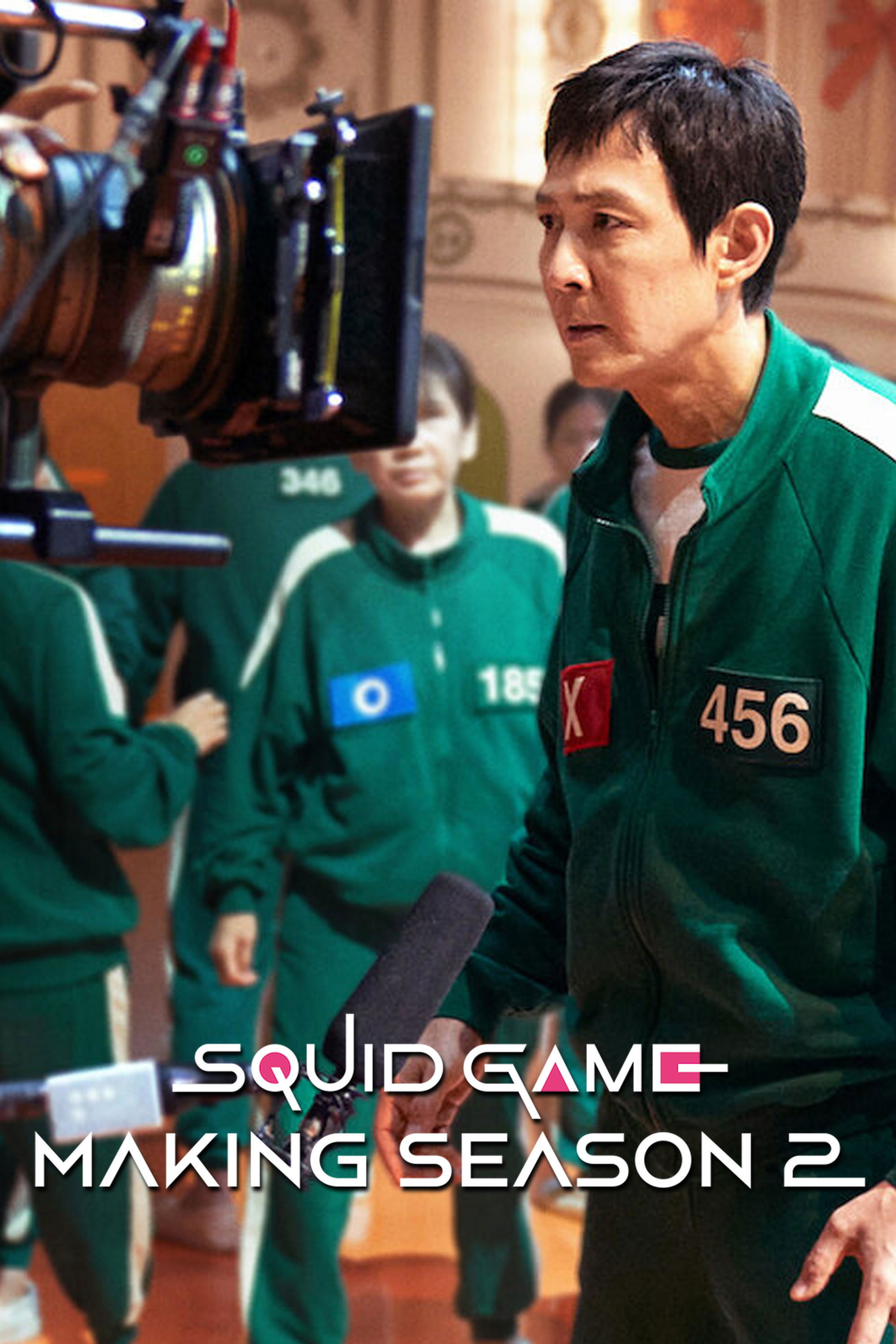
Netflix definitely struck gold back in 2021 with the first season of Squid Game. Released while much of the world was still stuck at home during the pandemic, the relatively low-profile South Korean series received little international promotion—and yet it exploded into a global phenomenon. Within just 28 days, it racked up a staggering 1.65 billion viewing hours, becoming Netflix’s most-watched series ever. Its impact was massive: TikTok trends, Halloween costumes, 14 Emmy nominations (and six wins), and even a real-life competition show. With its mix of creatively twisted games, memorable characters, and a dash of reality TV suspense (“Who’s going to be eliminated next?”), it made for a wildly entertaining ride—right up until a finale that threw in a twist many found underwhelming, introducing plot holes without adding much in return. The big question after that ending: could a second season recapture the magic, especially now that the novelty had worn off?
Much like The Hunger Games: Catching Fire—another survival-game sequel that had to follow a hit—Squid Game Season 2 plays it safe rather than reinventing itself. It sticks closely to the original formula: a new group of players, more deadly challenges, and tough moral choices. That may feel familiar, but the show still finds ways to keep you watching.
The biggest improvement this time is the pacing. With only seven episodes instead of nine, the season trims the fat and stays more focused. The story centers once again on Gi-hun, who returns as a more complex and emotionally guarded character. He’s joined by a new group of contestants, with standout newcomer Thanos—a drug-addicted rapper whose chaotic energy livens up every scene. Not every returning element works, though. The subplot involving policeman Hwang Jun-ho feels half-baked and often slows the momentum.
The games, while slightly less inventive than Season 1, still pack a punch. They’re tense and well-staged, even if the shock factor has diminished. The problem is everything outside the arena: the first three episodes are slow to get going, with too much time spent on setup before the action kicks in. Once the games start, the season regains its footing, but that uneven pacing leaves a mark.
What ultimately saves Season 2 is its ability to keep the tension high and the characters compelling enough to care about. The cliffhanger ending suggests bigger things ahead, but it doesn’t offer much resolution or major development. It feels like a transitional chapter more than a fully realized season.
So while Squid Game Season 2 doesn’t hit the same highs as the original, it does just enough to stay afloat. Whether the franchise can evolve—or if it’s doomed to repeat itself—remains to be seen.
- Where to watch
- Not available
- Where to watch
- Not available
 Play trailer


- Original title
- 오징어 게임: 시즌2 제작 이야기
- Genre
- Documentary
- Cast
- Hwang Dong-hyuk, Lee Jung-jae, Lee Byung-hun, Chae Kyoung-sun, Kim Ji-yong, Gong Yoo, Wi Ha-jun, Yim Si-wan
- Rated
- R
- Country

- Language
- Korean