

Jerzy Antczak’s Nights and Days (Noce i dnie) is often referred to as Poland’s Gone with the Wind. Like that film and David Lean’s epics, particularly Doctor Zhivago, it balances intimate character drama with a grand historical backdrop, spanning decades of personal and societal change. Based on Maria Dąbrowska’s revered 1930s novel, the story chronicles the lives of Barbara and Bogumił Niechcic, a couple navigating love, duty, and loss amidst the upheavals of late 19th- and early 20th-century Poland. Condensing Dąbrowska’s sprawling narrative into 170 minutes, the film focuses on the complexities of marriage, the shifting fortunes of the Polish gentry, and the inevitability of time’s passage. Later expanded into a 12-episode TV series, this cinematic version remains a cultural cornerstone, frequently broadcast on Polish television and taught in schools as a reflection of national identity and history.
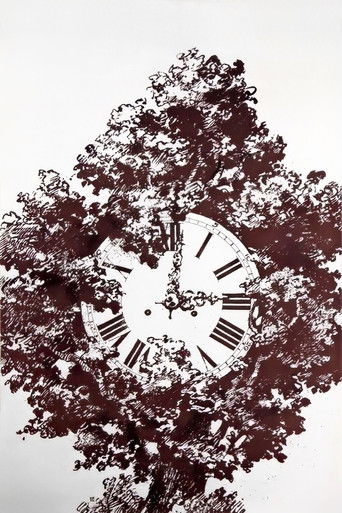
The title Nights and Days encapsulates the film’s thematic essence, with the cyclical nature of life as a recurring motif. Moments of joy are fleeting, but so are moments of despair. While marking the passage of time, the title also reflects the dynamic between the main couple: Barbara, discontented in her marriage, embodies the “nights” with her melancholic yearning for romance and grandeur, while Bogumił represents the “days,” a man devoted to simple, pragmatic realities. Their contrasting perspectives highlight universal struggles between ideals and reality, love and compromise, giving the story a timeless resonance.
At its heart, the film’s most compelling theme is the exploration of love and endurance. What keeps a marriage alive? Is it passion, or the acceptance and perseverance required to embrace each other’s imperfections? Nights and Days leans toward the latter, showing a marriage defined by resilience and sacrifices while acknowledging the weight of regrets that shape both lives. This nuanced portrayal of relationships is what lends the story its lasting impact.
The film’s scope and lush production design meticulously recreate 19th-century Poland, from its rural landscapes and period costumes to the rhythms of agrarian life. However, it doesn’t fully achieve the grandeur of the epics it is often compared to. While the score is lovely and memorable, it lacks the sweeping power of a true epic, and more expansive scenes, such as harvests or community celebrations, might have elevated the scale. That said, the performances ground the story with emotional authenticity: Jadwiga Barańska captures Barbara’s restless, conflicted soul, while Jerzy Bińczycki delivers a moving portrayal of Bogumił’s quiet resilience. Their transformation across decades is compelling, and the film impressively covers an extraordinary amount of narrative terrain. At 170 minutes, it feels long yet rewarding, leaving viewers with the sense of having witnessed two entire lives unfold.
At times, the film’s ambition comes at the cost of emotional depth, with some scenes cut too abruptly to maintain the pacing, a limitation addressed by the later TV adaptation, which offers more space for character development. Even so, Nights and Days succeeds as a profound exploration of its rich tapestry of themes, offering a poignant reflection on the passage of time, the resilience of the human spirit, and the enduring power of love and compromise.
- 1One Flew Over the Cuckoo's Nest
- 2Dersu Uzala
- 3Jaws
- 4Nashville
- 5Manila in the Claws of Light
- 26Nights and Days#26 of 51
- Where to watch
- Not available for streaming
- Where to watch
- Not available for streaming


- Original title
- Noce i dnie
- Director
- Jerzy Antczak
- Cast
- Jadwiga Barańska, Jerzy Bińczycki, Stanisława Celińska, Ewa Dałkowska, Władysław Hańcza, Elżbieta Karkoszka, Bogusław Sochnacki, Zygmunt Zintel
- Screenwriter
- Jerzy Antczak
- Composer
- Waldemar Kazanecki
- Cinematography
- Stanisław Loth
- Editor
- Janina Niedźwiecka
- Country

- Language
- Polish
- Budget
- 5